Understanding the Processual Mountain: Why Static Conservation Fails in Dynamic Cloud Forests
Mountains are not static geological monuments; they are continuous flows of moisture, seed rain, slope movement, and cultural memory. Here is why our ecological policy must match this dynamism.
Dr. C.K. Vishnudas
Lead Researcher, Hume Centre
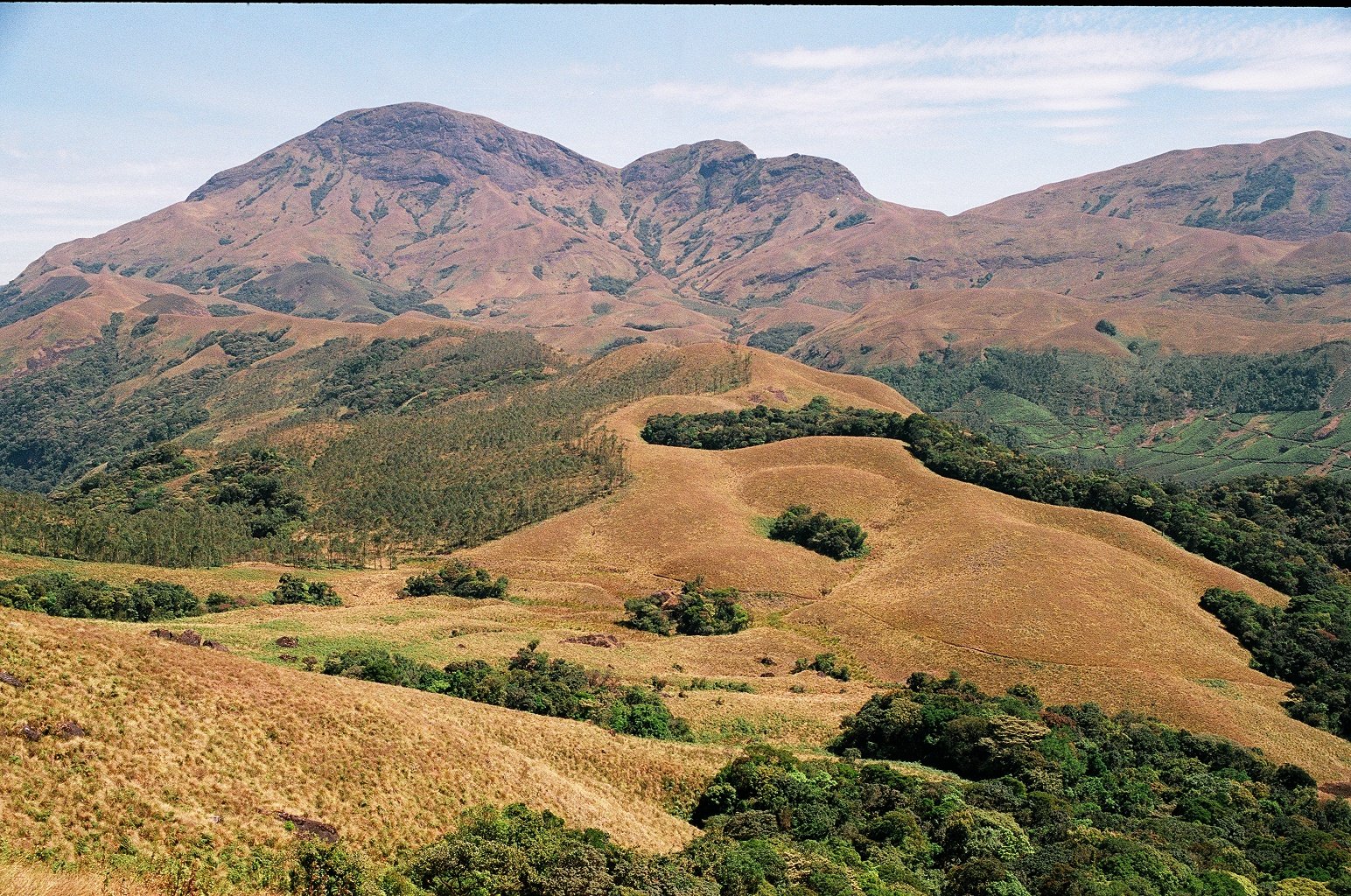
When we view a mountain through cartographic boundaries or static zoning laws, we miss its defining essence. A mountain in the Western Ghats is an incessant thermodynamic engine: moisture swept from the Arabian Sea condenses against 2,000-meter escarpments, feeding headwater springs that sustain millions across the peninsular plateau.
The Fallacy of Static Boundaries
Conventional conservation models draw hard boundaries around wildlife sanctuaries while allowing intense land-use changes right up to their edges. But ecological processes—such as subsurface groundwater flow, bird-mediated seed dispersal, and slope stability—do not respect survey lines.
"A processual mountain requires a processual policy: managing gradients, connectivity, and continuous hydrologic flows."
At the Mountain Ecology Congress 2026, our deliberations in the DZUMSA sessions aim to bridge empirical field hydrology with indigenous territorial stewardship to forge dynamic conservation blueprints.